
Spain
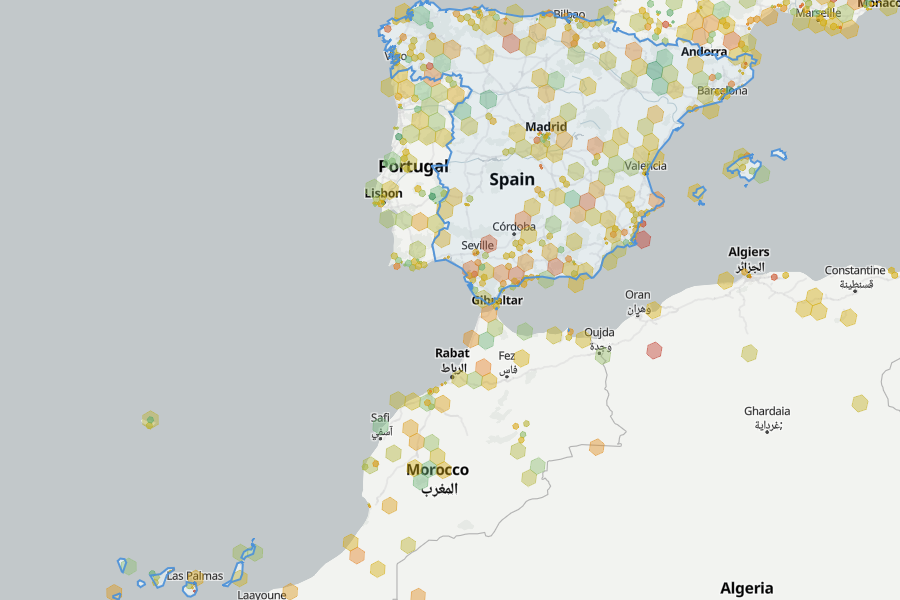
General news
A recent tragic railway accident in Urda, Toledo, has resulted in multiple fatalities, including a prominent scientist, Tamara González Costa. She was traveling to a significant biology congress in Huelva when the incident occurred. This event has not only caused personal loss but has also impacted the political landscape in Andalucía, prompting a reevaluation of the upcoming general election campaign in the region. The ramifications of this disaster are likely to resonate within the community and beyond, affecting both local sentiment and political discourse.
In terms of sports, the recent expulsions of key players from a football match have forced coach Iván Ania to reconsider his lineup for the upcoming game against Ceuta. This situation highlights the ongoing challenges faced by teams in maintaining performance and strategy amidst unexpected changes.
Overall, the focus in Spain currently centers on the aftermath of the railway tragedy and its implications for both the community and the political environment, alongside ongoing developments in local sports.
Conflict or violence
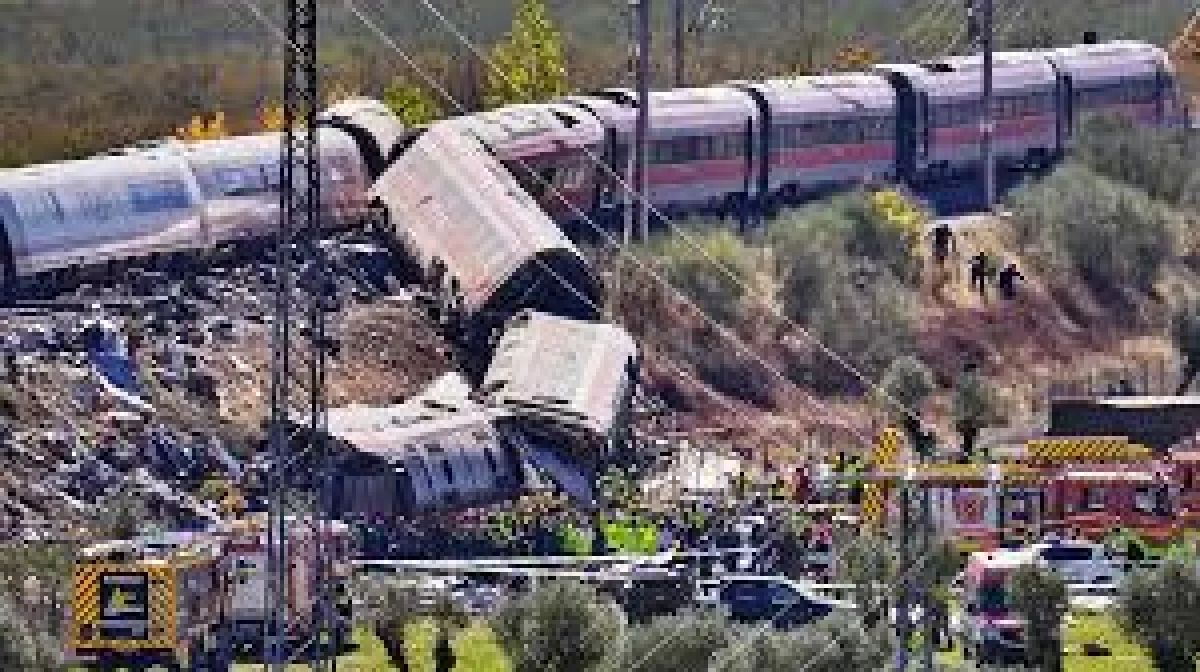
A tragic train accident occurred in Spain, resulting in the deaths of 69 individuals, including a Cambridge scientist, Dr. Marta Shahbazi. The collision took place near Toledo when a train traveling from Madrid to Seville crashed into a stationary train on the same route. The incident has left families of the victims in a state of grief and uncertainty as they await further information about their loved ones. This event highlights ongoing concerns regarding transportation safety in the country.
Disaster or hazard
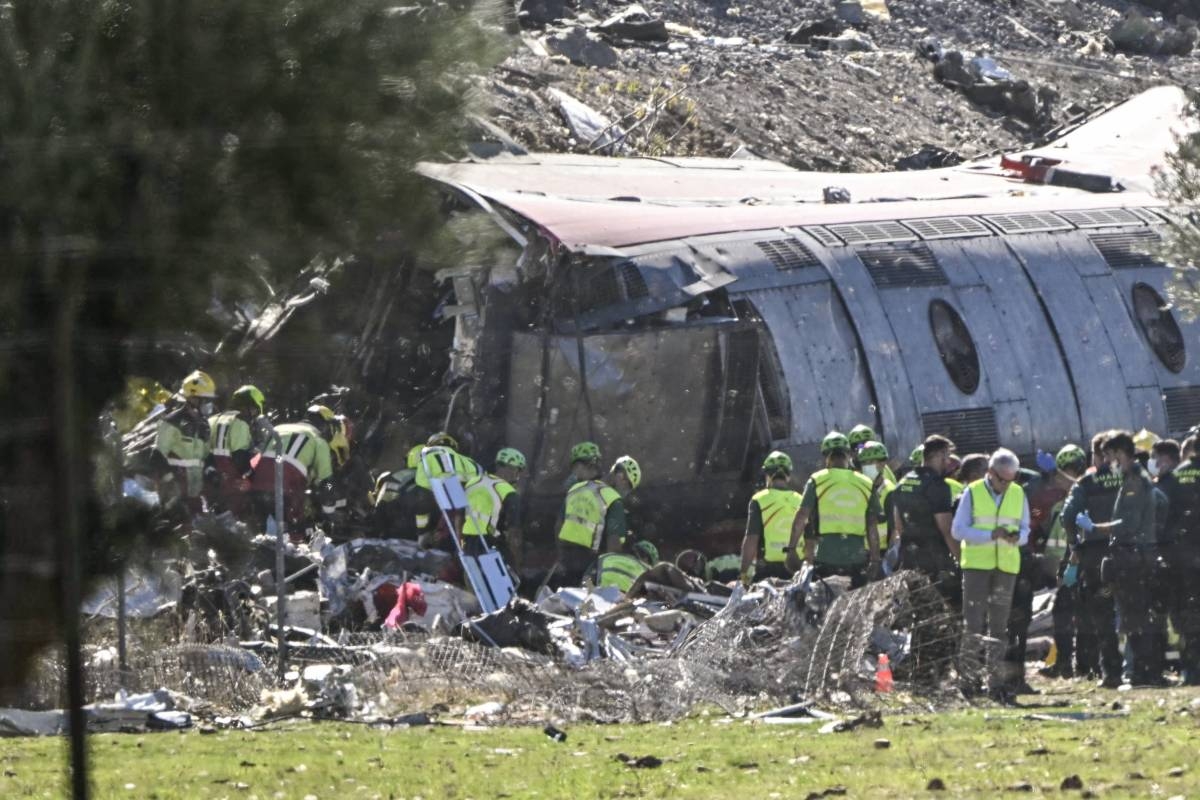
A tragic train collision in Spain has resulted in a significant loss of life, with the death toll reaching 70 and many others injured. The incident, which involved a high-speed train, has raised concerns about safety in the country's rail transport system. This event has drawn attention not only for its immediate impact but also for the implications it may have on travel safety and infrastructure in Spain.
As the investigation into the crash continues, travelers and tourism operators may want to stay informed about any potential disruptions or changes to train services in the region. The aftermath of such incidents often leads to heightened scrutiny of transportation safety protocols, which could affect travel plans for visitors.
Political developments
Spain is currently grappling with the aftermath of a tragic rail disaster that resulted in the deaths of 69 individuals. This incident occurred on a major rail line connecting Madrid to Seville, a route that has previously experienced severe accidents, including one in January that claimed 46 lives. The repeated nature of these disasters has sparked public outcry and demands for accountability and improvements in rail safety measures.
In addition to safety concerns, travelers should be aware of the ongoing cultural events that may enhance their experience in Spain. The country is known for its vibrant festivals and local traditions, which often attract visitors looking to immerse themselves in Spanish culture. However, specific details about current events or festivals were not included in the recent summaries.
Overall, while the rail disaster highlights significant safety issues within the transportation sector, Spain continues to offer rich cultural experiences for visitors. Travelers are encouraged to stay informed about safety developments while also seeking out local events that showcase the country's heritage.
Weather
Over the next 7 days, mainly light rain showers. Typical temperatures 20–21°C. Rain on 4 days.
The morning will start with mainly clear and 21°C; by afternoon, mainly clear with 21°C; ending with clear sky and 21°C.
About this place

Spain, officially the Kingdom of Spain, is a country in Southern and Western Europe with territories in North Africa. Featuring the southernmost point of continental Europe, it is the largest country in Southern Europe and the fourth-most populous European Union (EU) member state. Spanning the majority of the Iberian Peninsula, its territory also includes the Canary Islands, in the Eastern Atlantic Ocean; the Balearic Islands, in the Western Mediterranean Sea; and the autonomous cities of Ceuta and Melilla, in mainland Africa. Peninsular Spain is bordered to the north by France, Andorra, and the Bay of Biscay; to the east and south by the Mediterranean Sea, Gibraltar and Morocco ; and to the west by Portugal and the Atlantic Ocean. Spain's capital and largest city is Madrid; other major urban areas include Barcelona, Valencia, Seville, Málaga, Zaragoza, Bilbao, Murcia, Palma de Mallorca and Las Palmas. Read more on Wikipedia
Recent sources
- https://www.abc.es/espana/andalucia/crisis-ferroviaria-obliga-reformular-campana-elecciones-generales-20261101072235-nts.html
- https://www.abc.es/espana/andalucia/cordoba/cordoba-cf/expulsiones-isma-ruiz-alex-martin-obligan-ivan-20261101131414-nts.html
- https://www.abc.es/espana/castilla-leon/cientifica-leonesa-tamara-gonzalez-victimas-mortales-siniestro-20261031194609-nt.html
- https://www.dailymail.com/news/article-16256387/British-Cambridge-scientist-Spanish-train-crash.html
- https://www.el-balad.com/17062900
- https://www.thelocal.es/20261031/tears-fear-anger-relatives-of-spain-train-crash-dead-await-fate
- https://www.manilatimes.net/2026/10/31/news/national/filipino-injured-in-spain-train-crash-that-killed-69/2457959
- https://www.albawaba.net/news/death-toll-spain-high-speed-train-1640142
- https://www.channelnewsasia.com/world/spain-demands-answers-latest-rail-disaster-6505556
How this briefing is built
This page is generated from PlaceBrief's own news-intelligence pipeline: recent public news and event signals are geocoded, aggregated, and summarized without editorializing. It has no opinion beyond what its sources report.
Last updated 2026-11-01
Places in Spain
Related destinations
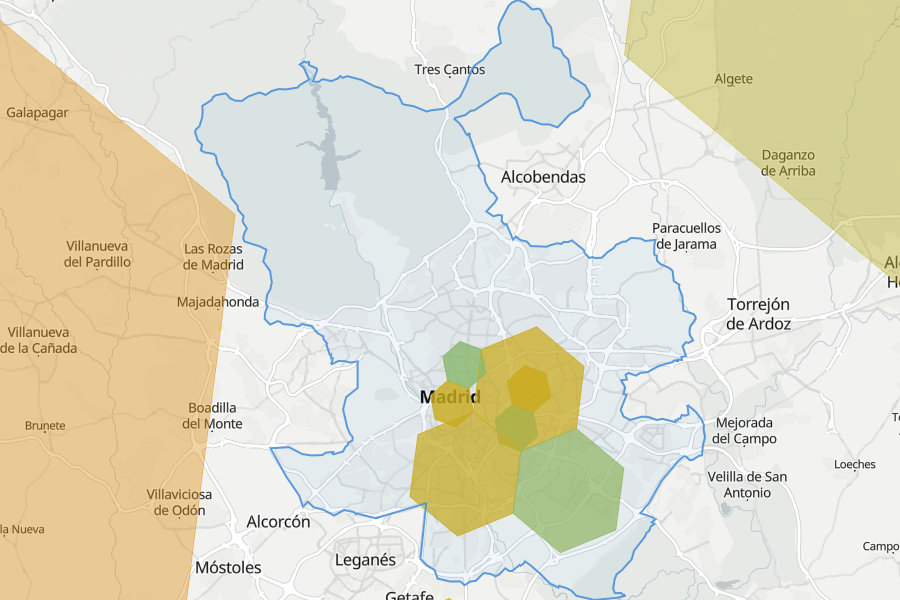
Madrid, España
Madrid, España: 23 upcoming events · Nov 2 – Nov 14, plus today's news and weather from live sources. Updated 2026-11-01.
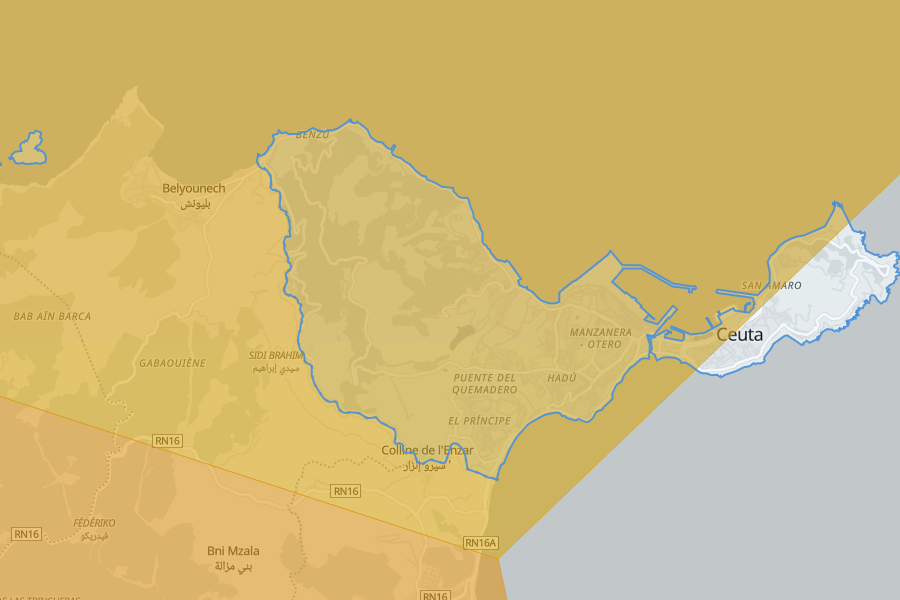
Ceuta, España
Ceuta, España: today's news and weather from live sources. Updated 2026-11-01.
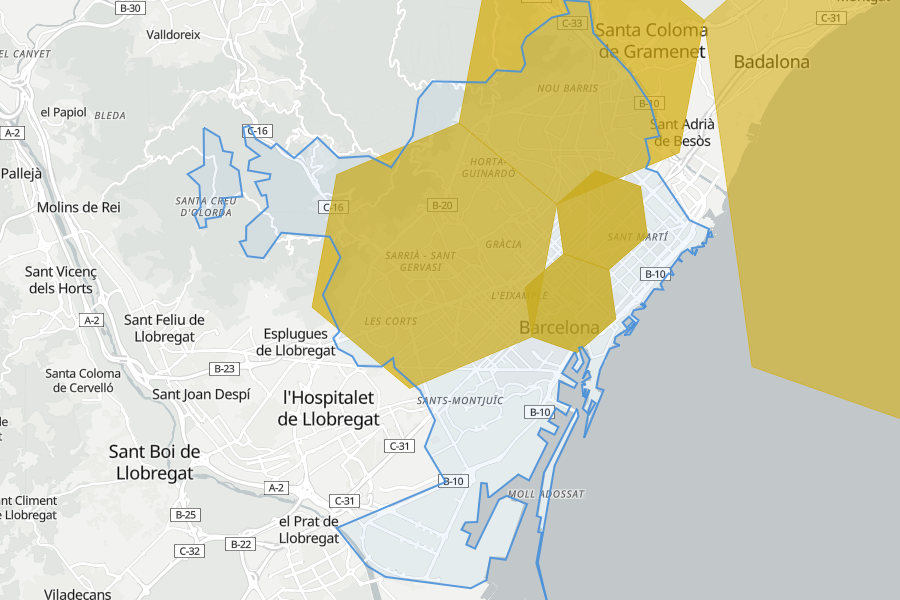
Barcelona, Catalunya, Spain
Barcelona, Catalunya, Spain: 17 upcoming events · Nov 2 – Nov 14, plus today's news and weather from live sources. Updated 2026-11-01.
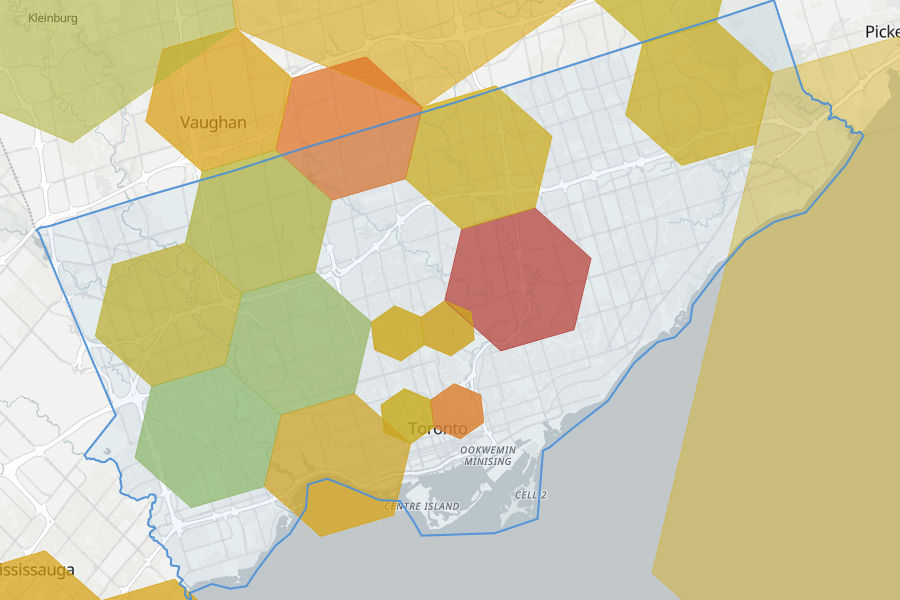
Toronto, canada
Toronto, canada: 34 upcoming events · Nov 4 – Nov 14, plus today's news and weather from live sources. Updated 2026-11-01.
Curious about other cities?
Explore more placesAre you a media outlet or app?
Try the embeddable widget